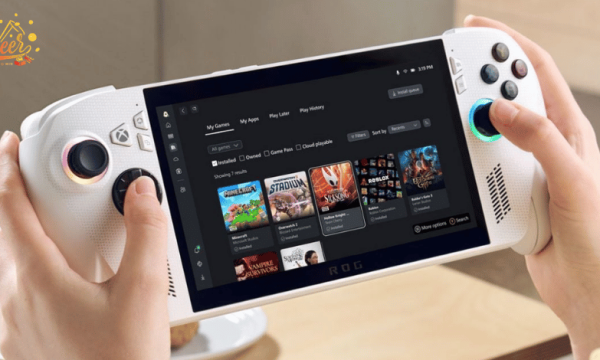


Console gaming age groups are shaping how the gaming industry evolves, and Cheer helps businesses understand these player trends more effectively. From Gen Z gamers to millennials, different age segments influence gaming habits, spending behaviour, and overall entertainment choices.
What Are Console Gaming Age Groups?
Console gaming age groups refer to the different segments of players based on age, including younger gamers, adults, and older players. Each group interacts with games in unique ways depending on lifestyle and preferences.

What Are Console Gaming Age Groups?
As gaming becomes more mainstream, these age groups continue to expand. This makes the gaming audience more diverse and important for businesses to understand.
How Console Gaming Age Groups Influence the Market
Console gaming age groups play a key role in shaping trends, from game design to marketing strategies.
Gen Z Gamers
Gen Z gamers are known for their fast-paced gaming style and strong interest in competitive and online games. They often prefer multiplayer experiences and social interaction within gaming platforms.

Gen Z Gamers
This group is highly active and engaged, spending time on both gameplay and streaming content. Their preferences push the industry toward more interactive and connected experiences.
Millennials in Console Gaming
Millennials represent a large portion of console gaming age groups, with strong purchasing power and consistent gaming habits. They often enjoy a mix of casual, story-driven, and competitive games.

Millennials in Console Gaming
This group values quality and experience, making them more likely to invest in premium games, subscriptions, and accessories. Their spending supports long-term market growth.
Differences in Gaming Preferences
Different console gaming age groups show clear differences in game preferences and playing styles. Younger players often focus on competition and trends, while older players prefer immersive and relaxing experiences.

Differences in Gaming Preferences
These differences help shape a wide variety of game genres. This allows the gaming industry to serve multiple audiences effectively.
Benefits of Understanding Age Groups in Gaming
Understanding console gaming age groups helps businesses create better products and targeted marketing strategies. It allows companies to match content with the right audience.

Benefits of Understanding Age Groups in Gaming
Another benefit is improved engagement. When games meet the expectations of each age group, players are more likely to stay active and loyal.
Common Challenges Across Age Groups
One challenge is balancing different expectations across console gaming age groups. What appeals to Gen Z gamers may not attract millennials or older players.

Common Challenges Across Age Groups
Another issue is changing trends. Player preferences evolve quickly, requiring businesses to adapt constantly to stay relevant.
Best Practices for Engaging Different Age Groups
A strong approach is to analyse player behaviour and design experiences that suit each group. Businesses should create flexible content that appeals to multiple age segments.

Best Practices for Engaging Different Age Groups
Offering variety in gameplay, pricing, and features also helps. This ensures that different console gaming age groups feel included and satisfied.
Join Cheer with Mystery Boxes and Prestige Range
Gaming becomes even more exciting when every moment includes the chance for something extra. On Cheer, players can explore Mystery Boxes that bring surprise and anticipation into their gaming experience, making each session more engaging.
From exclusive gaming items to premium rewards in the Prestige Range, every reveal offers a new level of excitement. Whether you enjoy high-end prizes or the thrill of discovery, Cheer creates a fun way to turn everyday gaming into a more rewarding adventure.
FAQs About Console Gaming Age Groups
Many businesses want to understand how console gaming age groups affect player behaviour and industry growth.
Why are Gen Z gamers important?
Gen Z gamers are highly active and influence trends quickly. Their engagement drives innovation in online and social gaming.
They also shape future gaming habits. This makes them important for long-term growth.
How do millennials impact gaming spending?
Millennials have strong purchasing power and invest in games, subscriptions, and accessories. Their spending supports industry expansion.
They also value quality experiences. This encourages developers to create better content.
Do age groups affect gaming habits?
Yes, console gaming age groups directly influence how players interact with games. Each group has different preferences and playing styles.
Understanding these habits helps businesses improve engagement. It also supports better product development.
Conclusion
The role of console gaming age groups is essential in shaping modern gaming trends, from Gen Z gamers to millennials. With the right strategy and support from Cheer, businesses can better understand player behaviour and build long-term success in the gaming industry