
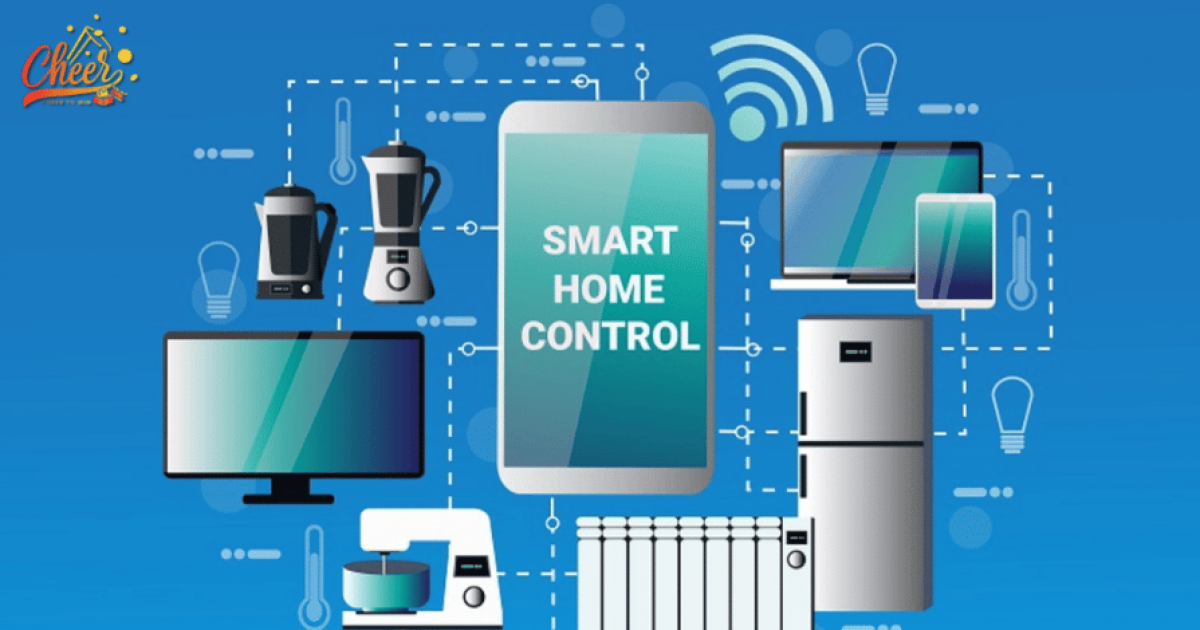
Smart Home Hubs in Automation Systems are becoming essential as connected devices grow more common in everyday life. In this article by Cheer, we explore how a central hub helps unify lighting, security, and entertainment technologies.
What Are Smart Home Hubs in Automation Systems?
A smart home hub is a centralised platform that connects and manages various smart devices through a unified interface. It allows products using different communication standards to interact seamlessly, even when they come from different manufacturers.
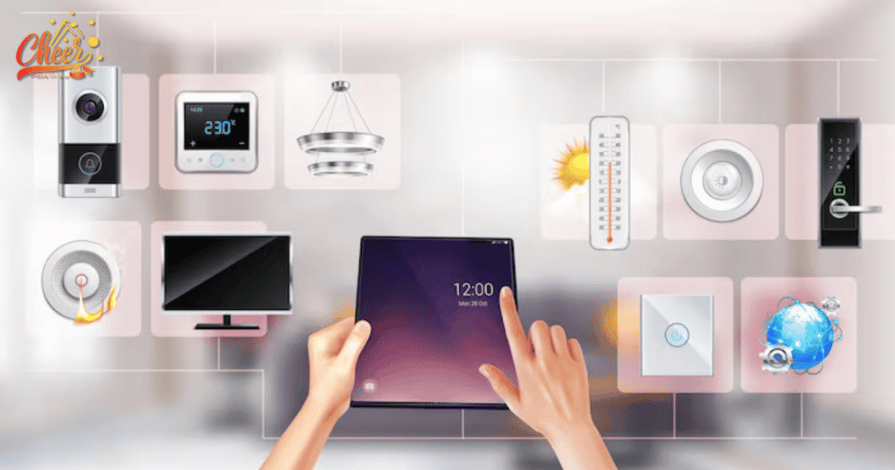
A smart home hub connects different devices.
Instead of operating devices individually, the hub creates a shared ecosystem where information flows between systems, enabling coordinated behaviour rather than isolated actions.
Without a hub, users must manage devices independently, often switching between apps and struggling with limited compatibility. With a hub in place, devices respond together as part of a single automation framework.
This shift transforms a collection of gadgets into a structured, intelligent system designed to support everyday routines.
Why Smart Home Hubs Matter in Modern Automation
As homes and workplaces integrate more connected technologies, the number of devices in use continues to grow. Managing them manually becomes inefficient, especially when automation scenarios require devices to respond to each other in real time.
Smart Home Hubs in Automation Systems solve this problem by creating a stable backbone that ensures technologies can cooperate reliably.
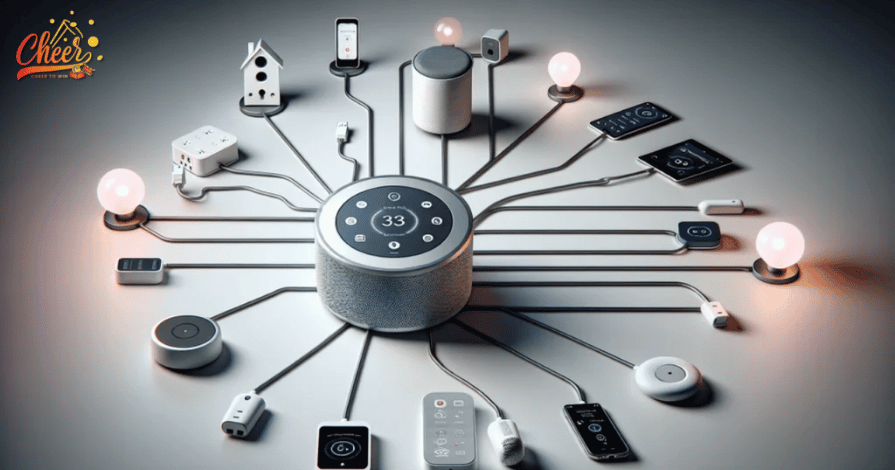
Smart devices work together through one hub.
Interoperability Across Technologies
Different devices often rely on different protocols, which can prevent them from communicating directly. A hub bridges these gaps by translating signals, ensuring seamless interaction between sensors, controllers, and connected appliances.
This capability is what makes cross-brand automation possible rather than limiting users to a single ecosystem.
Streamlined Device Control
A well-designed hub replaces multiple control interfaces with a single, unified dashboard. Users can monitor, adjust, and automate systems without needing to remember where each function lives.
This approach reduces friction while improving visibility across the entire smart environment.
How Smart Home Hubs Enable Real Automation
True automation goes beyond scheduled actions and enters the realm of responsive intelligence. A smart hub allows systems to react dynamically based on conditions such as movement, time, temperature, or user presence.
This coordination ensures the home adapts naturally rather than requiring constant manual adjustment.

The home adjusts settings automatically.
Imagine arriving home after a long day and having the environment prepare itself automatically. The hub detects entry, adjusts lighting levels, activates climate settings, and disengages security protocols simultaneously.
This type of automation reflects how interconnected systems should behave—quietly supporting routines without drawing attention to the technology behind them.
Core Functions of a Smart Home Hub
To understand why hubs are so central to modern connected environments, it helps to look at what they actually do behind the scenes. A smart home hub is not just a connection point, it actively manages communication, decision-making, and system stability to ensure all devices operate as a unified whole.
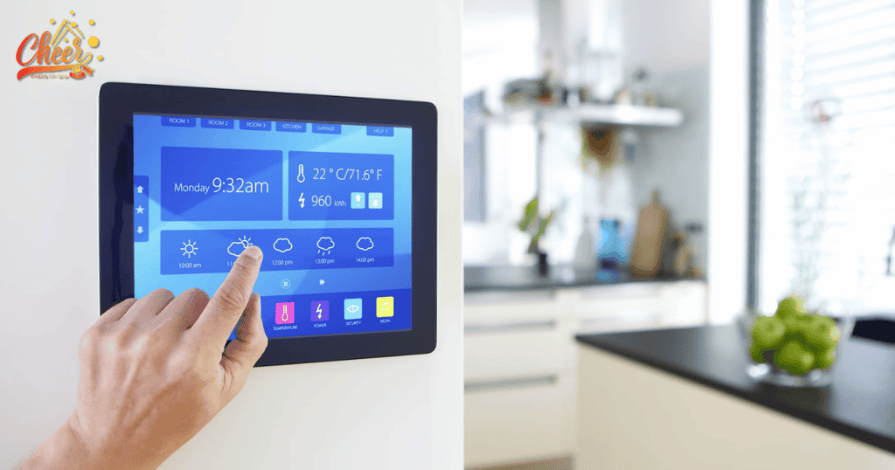
The hub controls communication between devices.
Centralised Communication
At its most fundamental level, the hub acts as a translator between devices that would otherwise operate in isolation. It ensures that commands and data move efficiently across the network.
This unified communication structure is what enables automation to scale without becoming unstable or inconsistent.
Rule-Based Automation Logic
Hubs allow users to create conditional workflows that define how devices behave in relation to one another. These rules turn simple triggers into coordinated responses that feel intuitive and purposeful.
For example, environmental sensors can influence lighting, temperature, and security settings simultaneously, creating a cohesive reaction rather than separate adjustments.
Local Processing for Faster Performance
Many hubs process automation locally rather than relying entirely on cloud services. Local execution reduces latency, improves reliability during connectivity interruptions, and enhances privacy by limiting external data transmission.
Technologies That Power Smart Home Hubs
Behind every seamless smart experience lies a combination of enabling technologies. Understanding these technical layers provides insight into how hubs maintain stability, compatibility, and responsiveness across diverse devices.
Technologies That Power Smart Home Hubs
IoT Integration
Smart hubs serve as orchestration layers for Internet of Things ecosystems. They manage how connected devices collect, share, and act on data, allowing sensors and systems to function collaboratively rather than independently.
This integration is what enables predictive behaviour and responsive environments.
Edge Computing Capabilities
Processing automation decisions at the edge of the network allows actions to occur instantly without needing to contact remote servers. This leads to faster responses and more dependable automation during real-world usage.
Protocol Management
Different manufacturers use varied wireless standards, which can create compatibility challenges. Hubs resolve this by supporting multiple protocols and translating them into a unified system language.
Benefits of Using a Smart Home Hub
Once the technical role of a hub is clear, the practical advantages become easier to recognise. These benefits are what ultimately drive adoption, as users begin to notice measurable improvements in convenience, efficiency, and reliability.
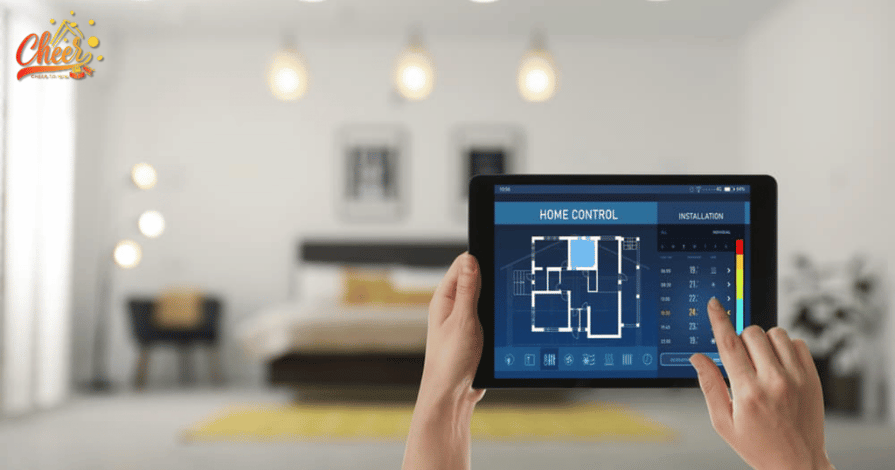
One system manages all smart devices.
A Simpler User Experience
By consolidating control into one interface, hubs remove the need to navigate multiple applications. This simplification encourages consistent use while reducing the learning curve for managing connected environments.
Scalability for Future Technology
As new devices enter the market, hubs allow systems to expand without requiring a complete redesign. This makes automation investments more sustainable over time.
Improved System Reliability
Central coordination helps prevent device conflicts and ensures routines execute consistently. Automation becomes predictable, which is critical for both residential and professional applications.
Resource Efficiency
Coordinated automation reduces unnecessary energy use by aligning device activity with actual demand. Systems operate more intelligently because they are aware of each other’s status.
How to Build an Automation System Around a Hub
Designing a smart environment works best when approached strategically rather than adding devices randomly. Starting with a hub-led structure ensures every addition strengthens the overall system instead of fragmenting it.
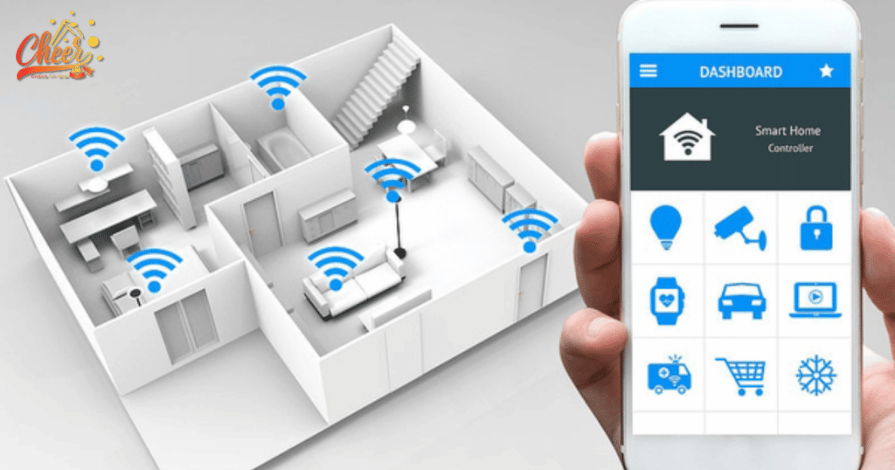
Start with a hub and add devices.
Start With the Hub as the Foundation
Choosing a capable hub early ensures that every additional device integrates smoothly. A strong foundation prevents compatibility issues and supports long-term expansion.
Introduce High-Impact Devices First
Begin with technologies that benefit most from coordination, such as lighting, environmental monitoring, and access control. These categories quickly demonstrate the value of automation when connected through a hub.
Expand Through Layered Intelligence
Once the system is stable, more advanced automations can be added gradually. Predictive routines, adaptive settings, and multi-device workflows build on the existing infrastructure.
Common Misconceptions About Smart Home Hubs
Many assume hubs are unnecessary because modern devices already connect to Wi-Fi. While connectivity allows devices to function individually, it does not provide the coordination needed for meaningful automation.
A hub makes automation simple.
Others believe hubs complicate systems, yet they actually reduce complexity by centralising logic and eliminating fragmented control methods.
There is also a perception that cloud platforms replace hubs entirely, but local processing remains critical for speed, resilience, and data governance.
FAQ: Smart Home Hubs in Automation Systems
As smart environments become more common, many users have practical questions about how hubs work and whether they are necessary for their specific setup. The answers below address some of the most frequent concerns, helping you better understand how a hub fits into a modern automation strategy.
Do I need a hub if I only have a few smart devices?
If those devices are expected to interact or expand over time, a hub provides structure and ensures future compatibility rather than limiting functionality.
How does a hub improve device control?
It consolidates management into one platform, allowing users to coordinate actions, monitor systems, and create automation routines without juggling multiple tools.
Can smart hubs work without constant internet access?
Many hubs support local automation, meaning core routines continue functioning even if connectivity is temporarily unavailable.
Are hubs difficult to set up?
Modern hubs are designed for guided configuration, making installation straightforward while still offering advanced options for deeper customisation.
Join and Unlock Smart Tech Rewards
Smart tech exploration becomes even more exciting when there are rewards to discover. By joining Mystery Boxes, users can turn their curiosity about smart living and connected devices into chances to unlock surprise prizes across a range of categories, including Celebration Exclusives and other limited-time rewards.
Whether you’re exploring new tech trends or enjoying interactive experiences, this adds another layer of excitement beyond everyday discovery. It’s an easy way to combine innovation with real-world value, giving you more reasons to stay engaged and see what you might unlock next.
Conclusion
Smart Home Hubs in Automation Systems form the backbone of truly connected environments. They unify technologies, enable reliable device control, and transform isolated smart products into coordinated automation ecosystems.
As homes and workplaces continue adopting connected solutions, the hub becomes less of an accessory and more of an essential infrastructure layer. Understanding its role is the key to building systems that remain flexible, efficient, and ready for the next generation of innovation