


A scarcity mindset quietly influences how people think about money, opportunities, and even relationships, often creating the persistent feeling that there is never quite enough. In this article, Cheer explores how this psychological pattern shapes shopping behaviour, decision-making, and the way people evaluate value, risk, and satisfaction.
What Is a Scarcity Mindset?
A scarcity mindset is a psychological pattern where individuals focus intensely on what they lack rather than what they already have. The concept originates partly from economics, where scarcity refers to limited resources. In psychology, the term describes how perceived limitations shape thinking and behavior.

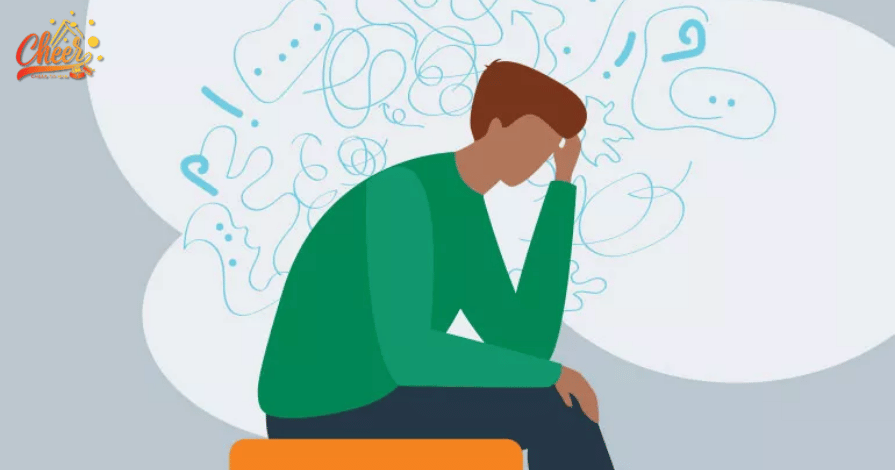
A scarcity mindset focuses on what feels limited.
People experiencing this mindset often believe resources such as money, time, or opportunities are scarce and must be carefully guarded. Even when resources are sufficient, the underlying fear of “not enough” continues to guide decisions.
This perception changes how the brain prioritizes information. Attention narrows toward immediate needs and potential threats. As a result, people may overlook long-term possibilities or positive circumstances because their mental focus remains fixed on avoiding loss.
For many shoppers, this perspective appears in subtle ways. Limited-time sales, exclusive offers, and “only a few left” messages feel more urgent because the brain is already sensitive to scarcity signals.
Why the Brain Responds So Strongly to Scarcity
Human psychology evolved in environments where resources were genuinely limited. Food, safety, and shelter were never guaranteed, so the brain developed mechanisms to respond quickly when something seemed scarce.
When scarcity appears, cognitive focus tightens. Psychologists sometimes describe this as “tunneling,” where attention locks onto the perceived shortage while ignoring other factors. This intense focus can temporarily improve problem-solving related to the shortage but reduce overall mental bandwidth.
The human brain reacts strongly to scarcity signals.
For example, someone worried about finances may spend hours analyzing small purchases while neglecting broader financial planning. The same effect appears in shopping behavior. A flash sale can trigger urgency that overrides rational evaluation of whether the purchase is necessary.
The emotional intensity surrounding scarcity often leads to quick decisions. The brain prioritizes immediate relief from anxiety rather than long-term satisfaction.
How a Scarcity Mindset Influences Shopping Behavior
Shopping provides a clear window into how this mindset operates in everyday life. Marketing strategies frequently activate feelings of scarcity because they align with natural psychological triggers.
When people believe an item is limited or available only briefly, its perceived value increases. This phenomenon explains why limited editions, countdown timers, and exclusive releases generate excitement.

Scarcity signals can strongly influence shopping decisions.
At the same time, a scarcity mindset can create complicated emotional patterns around spending. Some individuals feel guilty purchasing things they enjoy, even when they can afford them. Others react in the opposite direction, buying impulsively out of fear that the opportunity will disappear.
The common thread is emotional tension. The decision is rarely about the product itself. Instead, it reflects deeper beliefs about security, control, and self-worth.
Understanding this dynamic helps shoppers recognize when emotions are guiding their choices more than genuine need or desire.
The Emotional Effects of a Scarcity Mindset
Beyond financial behavior, this mindset shapes emotional well-being and relationships. Constantly focusing on what is missing can create stress, anxiety, and dissatisfaction.
People who operate from scarcity thinking often compare themselves to others. Someone else’s success may feel like evidence that opportunities are limited. This perception can lead to jealousy or unnecessary competition.

Scarcity thinking can shape emotions.
Over time, the pattern can also reduce empathy. When individuals feel resources are limited, they become more protective of what they have. Sharing, collaboration, and generosity may feel risky because giving something away appears to reduce personal security.
These reactions are rarely intentional. They are simply the psychological consequences of perceiving the world through a lens of limitation.
How Scarcity Thinking Shapes Decision-Making
One of the most fascinating aspects of a scarcity mindset is how strongly it influences decision-making.
When attention narrows around a perceived shortage, people often prioritize short-term relief over long-term outcomes. For example, someone anxious about money might choose a quick but risky financial solution instead of a sustainable plan.

Scarcity thinking often pushes people toward short-term decisions.
The same pattern appears in everyday purchases. A shopper might rush to buy a discounted item without considering whether it aligns with their real needs.
Researchers studying scarcity have found that perceived lack can reduce cognitive capacity. In other words, when the mind is preoccupied with scarcity, it has fewer resources available for broader reasoning and planning.
This does not mean people make poor decisions intentionally. It simply shows how powerful perception can be in shaping behavior.
Shifting Away From a Scarcity Mindset
Recognizing scarcity thinking is the first step toward changing it. Awareness allows individuals to pause before reacting automatically to feelings of limitation.
One effective approach involves practicing gratitude. Paying attention to existing resources (financial stability, supportive relationships, or personal skills) helps the brain rebalance its focus.

Awareness and gratitude can help shift thinking from scarcity toward balance.
Another strategy is reframing internal dialogue. When the mind says “there is never enough,” questioning that assumption can reduce its influence. Often, the fear of scarcity is stronger than the reality itself.
Building healthier financial habits can also reduce anxiety. Clear budgeting, long-term planning, and realistic spending limits create a sense of stability that weakens scarcity-driven thinking.
The goal is not to ignore real limitations. Instead, it is to respond to them with clarity rather than fear.
Join and Unlock Surprise Rewards
Exploring interactive entertainment becomes even more exciting when there are rewards to discover. By joining Mystery Boxes, users can turn their curiosity into chances to unlock surprise prizes across a range of categories, including Food and other fun lifestyle rewards.
Whether you’re enjoying mini-games or simply exploring new experiences, this adds another layer of excitement beyond everyday entertainment. It’s an easy way to combine discovery with real-world value, giving you more reasons to stay engaged and see what you might unlock next.
FAQ About Scarcity Mindset
To better understand the psychology behind scarcity mindset, the following questions address some of the most common curiosities.
What is a scarcity mindset in simple terms?
A scarcity mindset is the belief that resources such as money, time, or opportunities are limited. This belief leads people to focus on what they lack instead of what they already have.
Can a scarcity mindset affect spending habits?
Yes. People with this mindset may either avoid spending out of fear or make impulsive purchases when they believe opportunities are disappearing quickly.
Is a scarcity mindset always related to money?
No. While money is a common trigger, scarcity thinking can also involve time, relationships, career opportunities, or social recognition.
How can someone develop a healthier mindset?
Awareness, gratitude practices, financial planning, and supportive environments can help shift thinking toward a more balanced and abundant perspective.
Conclusion
A scarcity mindset is not simply about money or resources. It is a way of interpreting the world through the lens of limitation and uncertainty.
Understanding this pattern reveals why emotions often shape decisions more than logic. It doesn’t help eliminate them instantly, but it creates space for better choices. When people learn to balance caution with possibility, decisions become less reactive and more intentional.
Over time, shifting attention from what feels missing to what is already present can transform not only financial habits but also the sense of satisfaction that comes from everyday life.
Hope you enjoy this article by Cheer!