


Emotional shopping is something most of us have experienced, whether after a stressful week or in a celebratory moment. That rush of excitement when clicking “buy” can feel uplifting, yet it often reflects deeper psychological patterns tied to money, identity, and wellbeing. In this article, Cheer explores the science behind emotionally driven buying and why it feels so powerful.
What Is Emotional Shopping?
Emotional shopping refers to purchasing decisions driven primarily by feelings rather than practical needs. Instead of evaluating necessity, budget, or long-term value, the decision is guided by excitement, stress relief, boredom, or even a desire for self-reward.
 Emotional shopping means buying based on feelings rather than needs.
In these moments, the brain seeks emotional regulation. Buying becomes a tool for managing mood. The anticipation of owning something new stimulates dopamine pathways associated with reward and pleasure. However, once the novelty fades, the emotional baseline often returns, sometimes accompanied by guilt or regret.
Emotional spending exists on a spectrum. Occasional retail therapy is common and usually harmless. At the more severe end, compulsive buying behaviour can resemble addiction, where shopping becomes a repeated coping mechanism that interferes with financial and emotional stability.
The Psychology Behind Emotional Spending
Shopping environments are carefully designed to trigger emotional responses. From curated lighting and music in physical stores to personalised algorithms online, retail experiences activate desire before logic has time to intervene.
When we experience strong emotions, especially stress or sadness, the brain looks for fast relief. Purchasing something tangible creates a sense of control. It feels like taking action. This perceived agency can temporarily counter feelings of helplessness or low self-esteem.
 The brain seeks comfort through spending.
Positive emotions can also fuel emotional shopping. Celebrations, achievements, or excitement may justify spending as a reward. In this context, buying becomes symbolic, reinforcing identity and self-worth.
The issue is not emotion itself. Emotions are central to human decision-making. The challenge arises when feelings consistently override rational evaluation, leading to patterns of overspending or regret.
Cognitive Biases That Influence Buying Decisions
Emotional shopping is closely linked to cognitive biases, which subtly distort our judgment. Understanding these biases helps explain why intelligent, self-aware individuals still make impulsive purchases.
Anchoring bias plays a powerful role in pricing perception. When a product is first presented at a high price and later discounted, the original number becomes a psychological reference point. Even if the “discounted” price is still expensive, it feels like a bargain because the brain compares it to the initial anchor.

Biases shape how we see value.
Loss aversion bias intensifies the fear of missing out. The pain of losing an opportunity often feels stronger than the satisfaction of gaining something equivalent. Limited-time offers and countdown timers exploit this bias, making inaction feel like a loss.
Confirmation bias reinforces decisions after they are made. Once emotionally invested in a purchase, people search for information that justifies it. Reviews, influencer endorsements, and social validation help maintain the belief that the decision was wise, even if it was impulsive.
These mental shortcuts are normal cognitive processes. However, when combined with heightened emotion, they can amplify emotional spending patterns.
Emotional Shopping and Wellbeing
The relationship between shopping and wellbeing is complex. In moderation, buying something meaningful can genuinely improve mood. A thoughtful purchase aligned with personal values can enhance life satisfaction.
Problems emerge when shopping becomes a primary emotional regulation strategy. Frequent overspending may lead to financial stress, which in turn increases anxiety. This creates a feedback loop where negative emotions trigger more spending in search of relief.

Spending can affect mental health.
Research on compulsive buying behaviour suggests that persistent emotional spending can affect self-esteem and relationships. Financial strain often generates tension, secrecy, or shame. The individual may feel trapped between the desire to shop and the consequences that follow.
Recognising emotional triggers is the first step toward breaking this cycle. Awareness reduces automaticity. Once we understand why we buy, we regain the power to choose differently.
Why Modern Retail Makes Emotional Spending Easier
Digital transformation has intensified the emotional shopping experience. Online platforms offer instant access, frictionless payment systems, and highly targeted advertising based on browsing history.
Social media further blurs the line between identity and consumption. Influencers showcase curated lifestyles that subtly suggest products as pathways to belonging or self-improvement. The comparison effect can heighten feelings of inadequacy, prompting purchases aimed at closing a perceived gap.
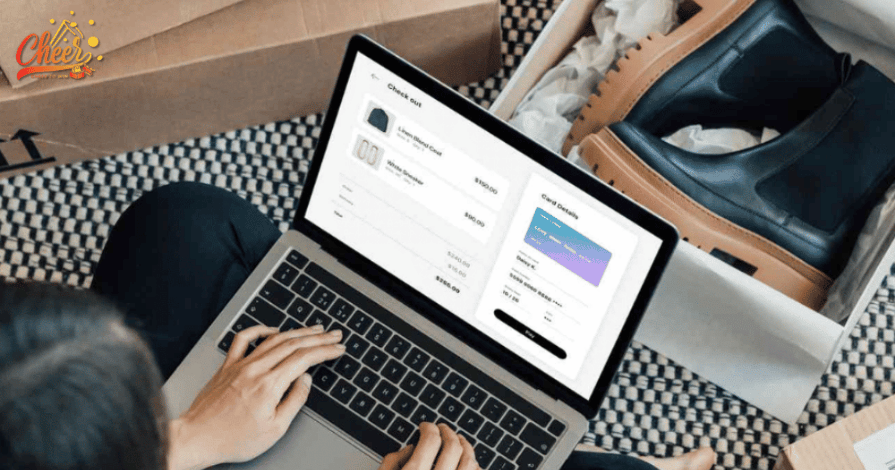
Digital design fuels impulsive buying.
Convenience also reduces reflection time. One-click checkout removes the natural pause that once existed between desire and transaction. Without that pause, emotions have less resistance.
Understanding this environment is essential. It is not simply a matter of willpower. Structural design influences behaviour in powerful ways.
Practical Ways to Manage Emotional Shopping
Managing emotional spending does not require eliminating enjoyment. Instead, it involves strengthening conscious choice. The goal is to align spending with values rather than temporary mood states.
One effective strategy is creating intentional delay. Introducing a waiting period before non-essential purchases allows emotions to settle. Often, the urgency fades, revealing whether the desire was situational or meaningful.

Awareness reduces emotional spending.
Budgeting also serves as a psychological boundary rather than a restriction. When spending limits are clearly defined, decisions feel structured rather than impulsive. This reduces post-purchase regret.
Identifying emotional triggers provides further clarity. Stress, boredom, loneliness, or celebration may each carry distinct spending patterns. By noticing these connections, individuals can explore alternative coping strategies such as exercise, journaling, or social connection.
Most importantly, self-compassion is critical. Shame tends to reinforce compulsive cycles. Viewing emotional shopping as a behavioural pattern rather than a moral failure encourages sustainable change.
Can Emotional Shopping Ever Be Healthy?
It is important to avoid framing all emotional shopping as harmful. Humans are emotional beings, and consumption is intertwined with culture, creativity, and self-expression.
Buying a book that inspires you or investing in clothing that boosts confidence can enhance wellbeing when done thoughtfully. The difference lies in intention and frequency. Healthy emotional engagement involves awareness and alignment with long-term goals.
 Intentional buying can be positive.
When spending supports identity growth, personal development, or meaningful experiences, it can enrich life. Problems arise only when purchasing becomes the primary solution to emotional discomfort.
Join and Unlock Gaming Rewards
Shopping experiences become even more exciting when there are rewards to discover. By joining Mystery Boxes, users can turn their curiosity about interactive entertainment into chances to unlock surprise prizes across a range of categories, including Gaming and other exciting rewards.
Whether you’re exploring playful shopping experiences or simply enjoying light games and discovery, this adds another layer of excitement beyond traditional shopping. It’s an easy way to combine entertainment with real-world value, giving you more reasons to stay engaged and see what you might unlock next.
Frequently Asked Questions
These are some common questions when mentioning “Emotional Shopping”.
What is the difference between emotional shopping and impulsive buying?
Emotional shopping is driven by feelings such as stress or excitement, while impulsive buying refers more broadly to spontaneous decisions without planning. Emotional triggers often fuel impulsive behaviour, but not all impulsive purchases are emotionally motivated.
Is emotional spending a recognised psychological issue?
Occasional emotional spending is common and normal. However, compulsive buying disorder is recognised as a behavioural addiction in some psychological frameworks, particularly when it causes significant distress or financial harm.
How can I tell if my shopping habits are emotionally driven?
If purchases frequently occur during heightened emotional states and are followed by regret or financial strain, emotional factors may be influencing decisions. Tracking mood alongside spending patterns can provide insight.
Can emotional shopping be controlled without professional help?
Many people successfully manage emotional spending through self-awareness, budgeting strategies, and alternative coping mechanisms. Professional support may be helpful if behaviour feels compulsive or leads to serious consequences.
Conclusion
Emotional shopping reflects the deep connection between feelings and financial behaviour. It is neither inherently good nor inherently bad. What matters is awareness, balance, and alignment with personal values. Hope you enjoyed this article by Cheer!