
Connected Home Devices in Automation are reshaping how modern households function by turning separate technologies into coordinated systems.
In this article by Cheer, we look at how these devices communicate, adapt, and respond intelligently to everyday routines.
Understanding Connected Home Devices in Automation
Connected home devices are technologies designed to interact with each other through a shared network, enabling automated actions and centralised management. These devices form part of a broader IoT framework, where sensors, software, and hardware exchange data to make decisions without requiring constant user input.
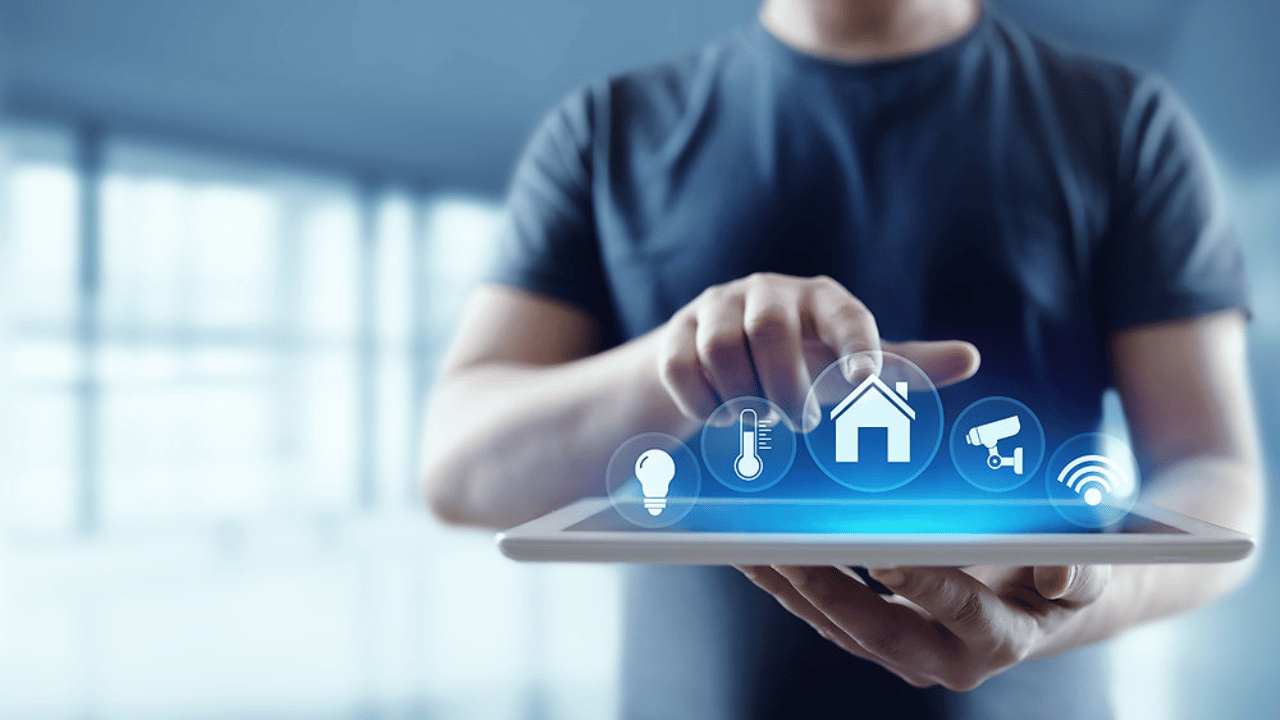
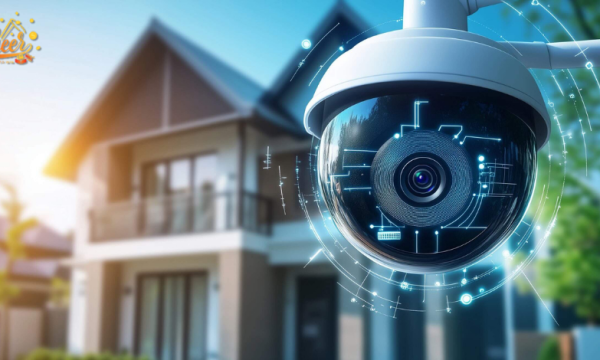
Connected home devices are connected by a shared network.
A connected device is not defined solely by internet access. It must be capable of sharing data, responding to system triggers, and participating in coordinated automation workflows. This ability allows multiple technologies to behave as a unified system rather than as separate tools.
IoT acts as the communication backbone that links devices together. Through this infrastructure, information flows continuously, allowing systems to analyse conditions, detect patterns, and execute responses automatically.
Why Connected Home Devices Matter in Modern Living
The value of automation lies not in novelty but in efficiency, adaptability, and insight. Connected environments help reduce repetitive tasks while improving how homes consume energy and respond to occupants.
From Manual Control to Intelligent Response
Traditional devices rely on direct commands, while connected systems operate through contextual awareness. Lighting adjusts based on occupancy, climate systems respond to weather conditions, and appliances coordinate to optimise performance.
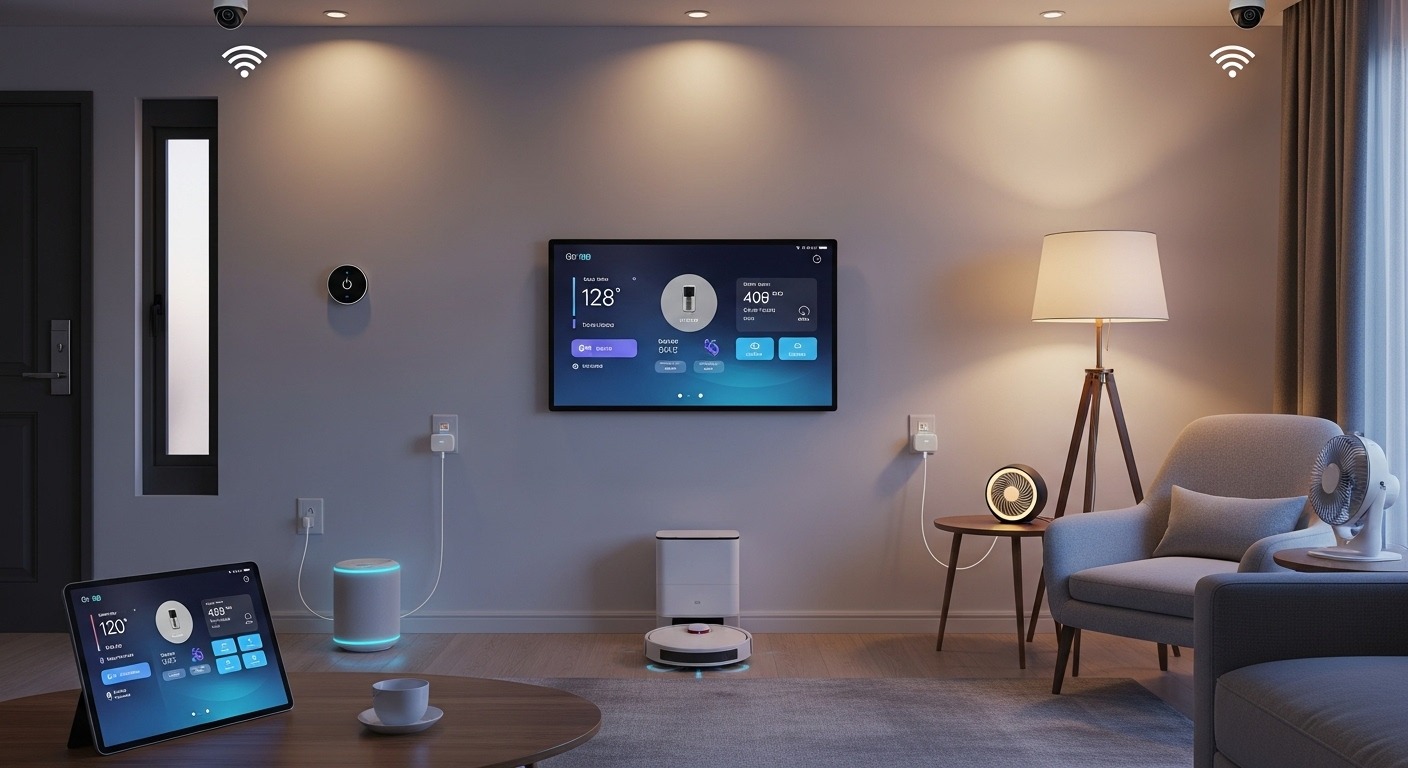
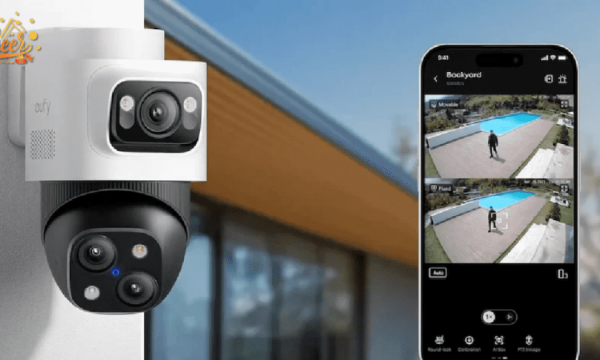
Connected Home Devices are becoming more essential in Modern Living.
Enhancing Everyday Convenience
Automation reduces the number of small decisions people must make throughout the day. Instead of managing each device individually, users interact with a cohesive environment designed to anticipate their needs.
Key Categories of Connected Home Devices
A successful automation system includes a range of technologies working together across different aspects of the home.
Smart Appliances
Smart appliances integrate sensors and connectivity to adapt their behaviour based on usage patterns. These devices go beyond basic functionality by providing insights, remote access, and automation compatibility.
Examples include:
- Refrigeration systems that monitor usage and adjust cooling cycles
- Laundry appliances that optimise energy consumption
- Climate units that adapt to occupancy and environmental data
These appliances become more efficient over time as they learn from interaction patterns.
Environmental Monitoring Devices
Sensors play a critical role in gathering real-time information that drives automation decisions. They measure conditions such as temperature, light levels, motion, and air quality.
This data enables systems to respond dynamically, ensuring comfort and efficiency without manual adjustments.
Connected Lighting and Energy Systems
Lighting and power management technologies often form the foundation of automation strategies. They allow homes to adjust brightness, schedule usage, and minimise unnecessary consumption.
Such integration supports both sustainability goals and cost efficiency.
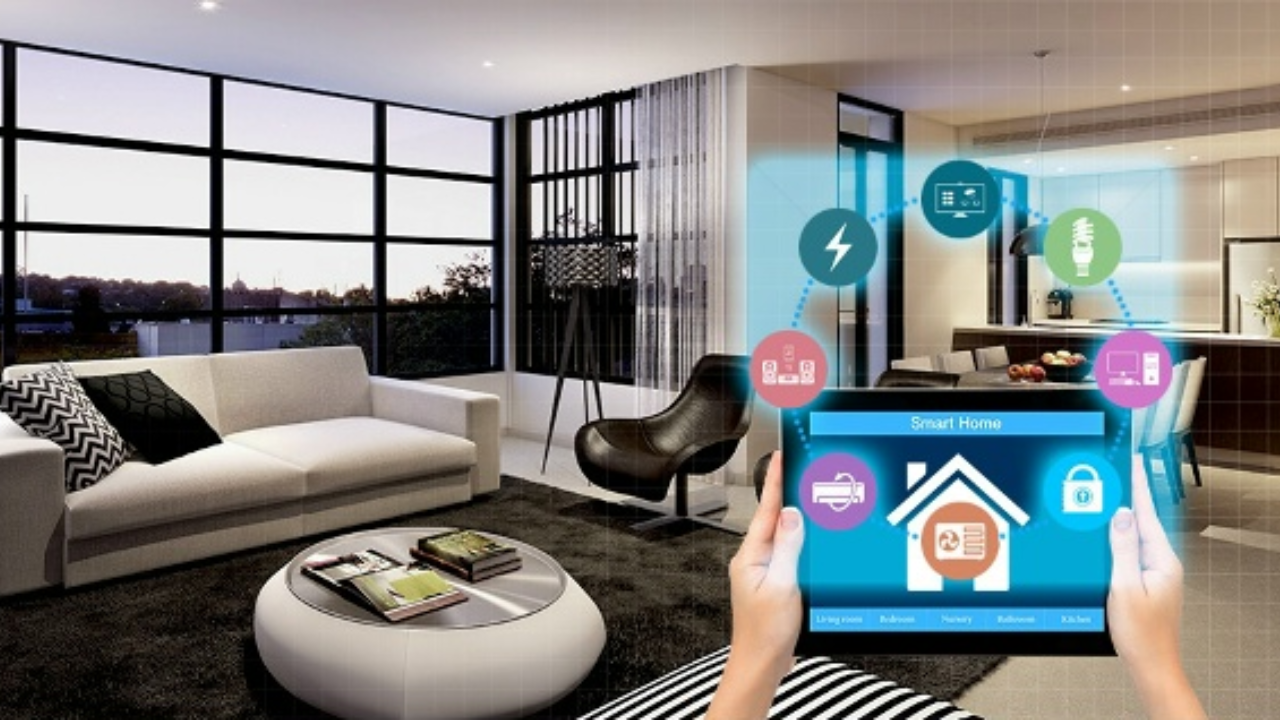
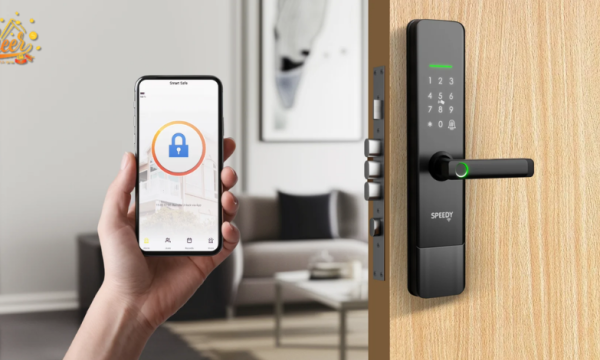
Key Categories of Connected Home Devices.
Benefits of Using Connected Home Devices in Automation
The advantages of connected automation extend beyond convenience, influencing how homes function, adapt, and evolve.
- Improved Energy Efficiency: Automation ensures resources are used only when needed, reducing waste and supporting sustainable living practices. Systems can adjust power consumption based on occupancy, time of day, or environmental conditions.
- Greater Personalisation: Connected devices enable environments tailored to individual preferences. Users can create scenarios that align with routines, whether focused on productivity, relaxation, or entertainment.
- Simplified Management: Centralised dashboards or control interfaces allow homeowners to manage multiple systems from one place. This reduces fragmentation and provides clearer oversight of the home’s performance.
- Future-Ready Adaptability: Because connected ecosystems are designed for expansion, they remain compatible with emerging technologies. This makes automation an evolving investment rather than a fixed solution.
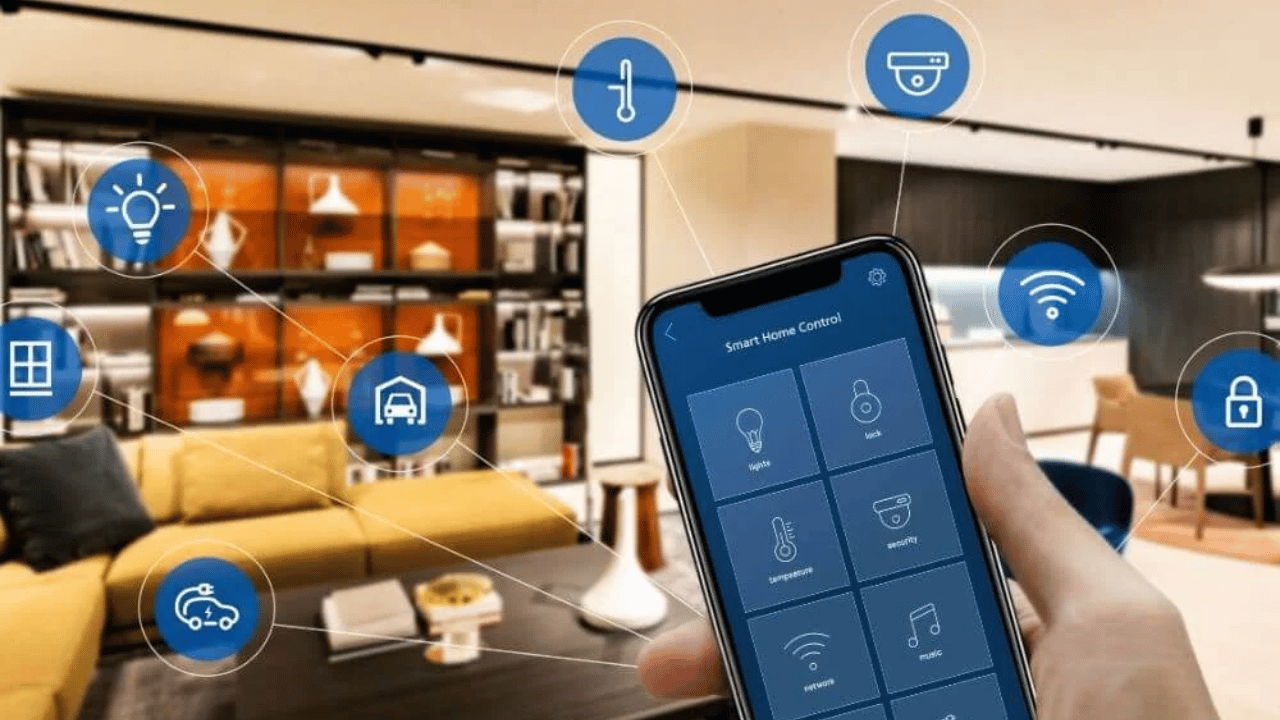
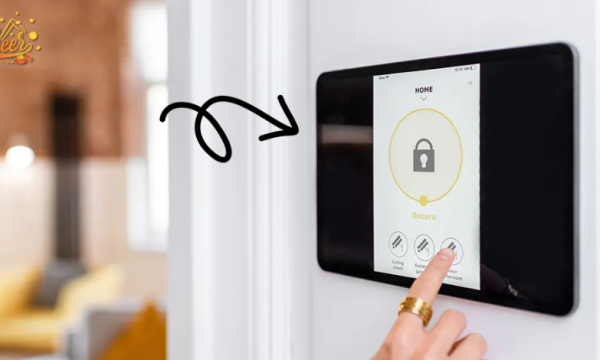
The advantages of connected automation extend beyond convenience.
Designing an Effective Connected Home Ecosystem
Creating a successful automation environment requires thoughtful planning rather than simply adding devices over time.
Start With Core Functions
Focus initially on systems that deliver immediate impact, such as climate control, lighting, and energy management. These foundational elements demonstrate the practical benefits of automation.
Build Around Interoperability
Selecting devices that support shared communication standards ensures seamless integration. Compatibility is essential for maintaining long-term flexibility.
Expand Gradually With Purpose
Adding new devices should enhance existing workflows rather than introduce redundancy. Each addition should contribute to a more intelligent and coordinated environment.
Security and Privacy Considerations in Connected Homes
As connectivity increases, so does the importance of safeguarding data and maintaining secure communication between devices.
Protecting Data Exchange
Secure networks and encrypted communication channels ensure that information shared between devices remains private. This protection is essential for maintaining trust in automated environments.
Maintaining Local Control
Many systems now offer local processing options, allowing automation to function even without external connectivity. This approach enhances resilience while reducing reliance on cloud services.
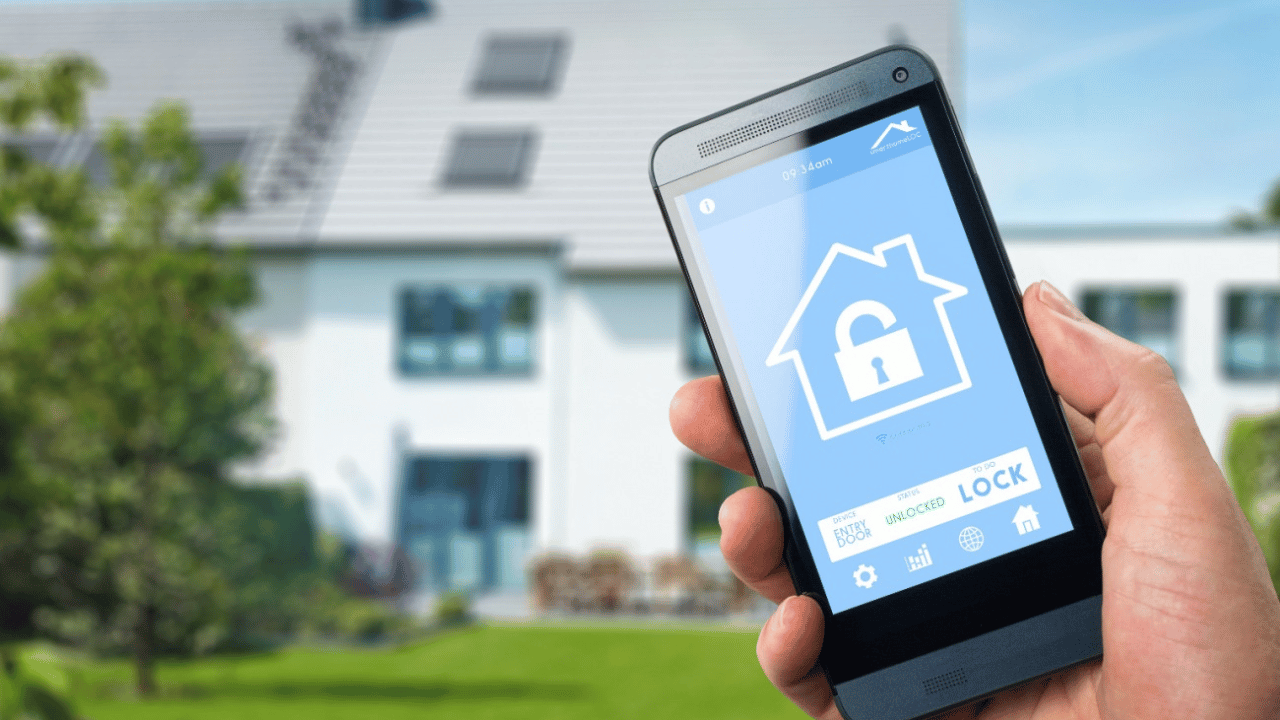
Secure data exchange and protected networks are essential.
Practical Examples of Automation in Action
To understand the real-world value of connected systems, consider how they operate together during a typical day:
- Morning routines trigger lighting, temperature adjustments, and appliance readiness.
- Daytime energy management reduces consumption when spaces are unoccupied.
- Evening settings create comfortable environments aligned with relaxation or activity.
- Night-time automation enhances security while minimising unnecessary power usage.
These coordinated responses illustrate how automation simplifies living without demanding attention.
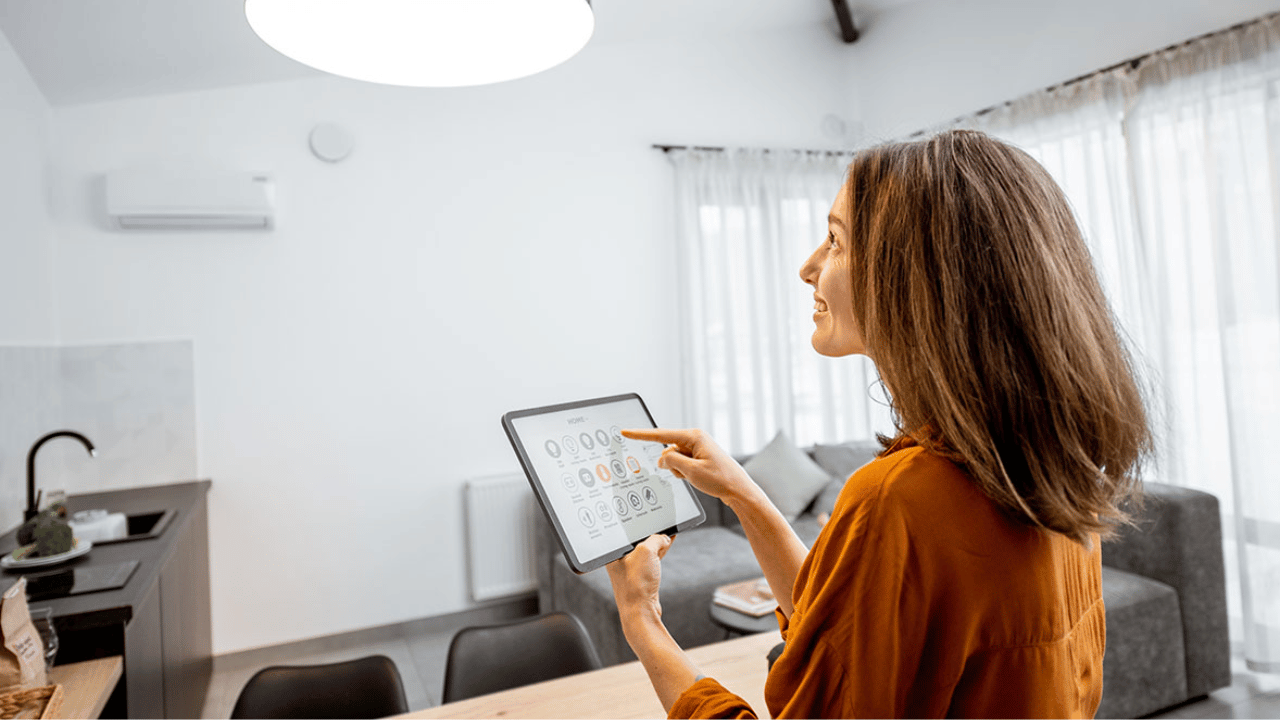
Daily routines become more efficient thanks to connected systems
Join and Unlock Smart Living Rewards
Connected living becomes even more exciting when there are rewards to discover. By joining Mystery Boxes, users can turn their interest in smart home technology into chances to unlock surprise prizes across a range of categories, including Fashion and other lifestyle rewards.
Whether you’re exploring IoT innovations or simply curious about connected devices, this adds another layer of excitement beyond everyday use. It’s an easy way to combine modern tech with real-world value, giving you more reasons to stay engaged and see what you might unlock next.
FAQ: Connected Home Devices in Automation
What are connected home devices?
They are technologies designed to communicate with each other through IoT networks, enabling coordinated automation and centralised management.
How do smart appliances contribute to automation?
Smart appliances collect and share data, allowing systems to adjust performance, improve efficiency, and align with user routines.
Is IoT necessary for home automation?
Yes, IoT provides the communication infrastructure that allows devices to interact, exchange information, and function as part of an integrated ecosystem.
Can connected home systems expand over time?
Most automation setups are designed to scale easily, allowing new devices to be added without disrupting existing functionality.
Conclusion
Connected Home Devices in Automation are redefining how living spaces operate by blending intelligence, efficiency, and adaptability into everyday environments. Through the integration of smart appliances and IoT technologies, homes can respond dynamically to changing needs while simplifying management and improving sustainability.
As innovation continues to shape the future of connected living, understanding these systems allows technology enthusiasts to build environments that are not only smarter but also more intuitive and resilient. Exploring automation today is less about adopting gadgets and more about creating spaces designed to evolve alongside the people who live in them.