
Automation Controllers in Smart Homes are now shaping the way modern spaces operate with greater intelligence and coordination. In this Cheer article, we examine how these controllers streamline device management, enabling different technologies to respond and function in sync within a single ecosystem.
What Are Automation Controllers in Smart Homes?
Automation controllers are central processing units that manage and coordinate smart devices through a single interface or infrastructure. They connect various technologies and ensure that systems respond automatically to user preferences, schedules, or environmental triggers.
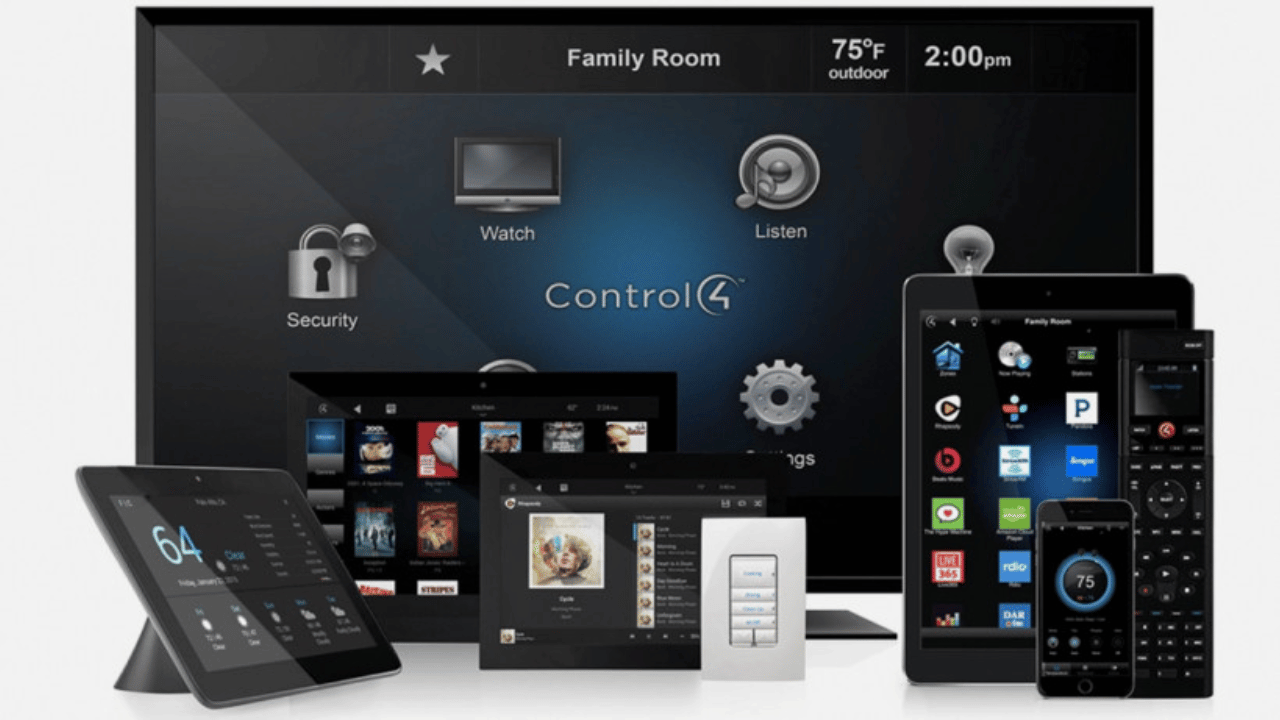
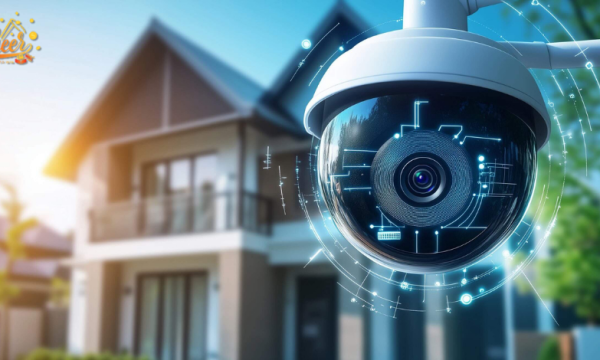
Central hub for seamless device coordination.
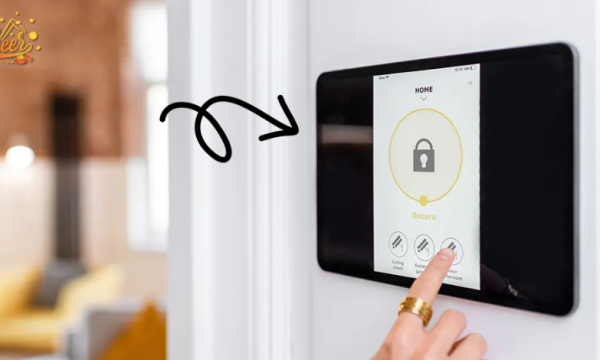
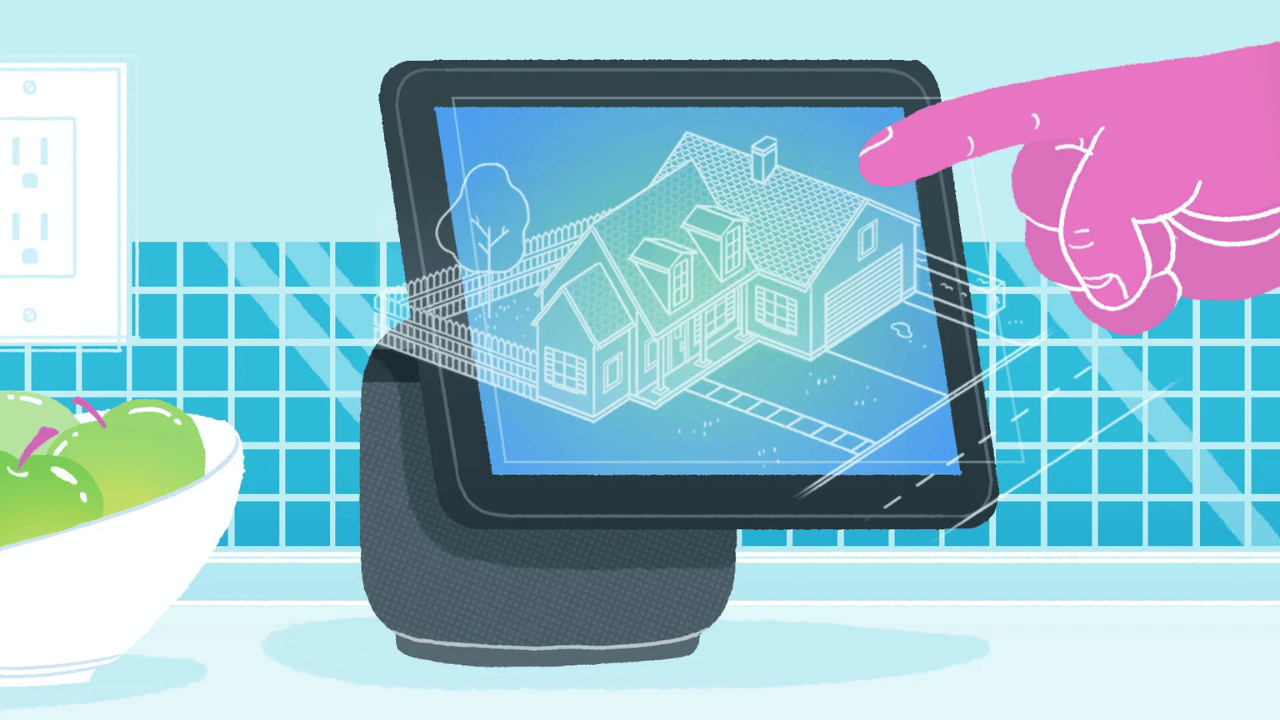
These controllers often work alongside smart panels and integrated control systems, providing both physical and digital access to the home’s automation network.
Individual smart devices can function independently, but they cannot create meaningful collaboration on their own. Automation controllers provide the intelligence needed to link devices together, enabling them to operate as part of a unified system rather than isolated tools.
Why Automation Controllers Are Essential for Modern Smart Homes
As the number of connected devices increases, managing them manually becomes inefficient and fragmented. Automation controllers solve this problem by introducing structure and coordination, allowing homes to respond dynamically instead of relying on constant user input.
Centralised Intelligence
An automation controller serves as the brain of the smart home, interpreting signals from multiple devices and deciding how they should interact. This central logic ensures consistent performance and reduces conflicts between technologies.
Seamless User Experience
With integrated smart panels or apps, users can manage an entire environment from one place. This eliminates the need to switch between different platforms while improving accessibility and convenience.
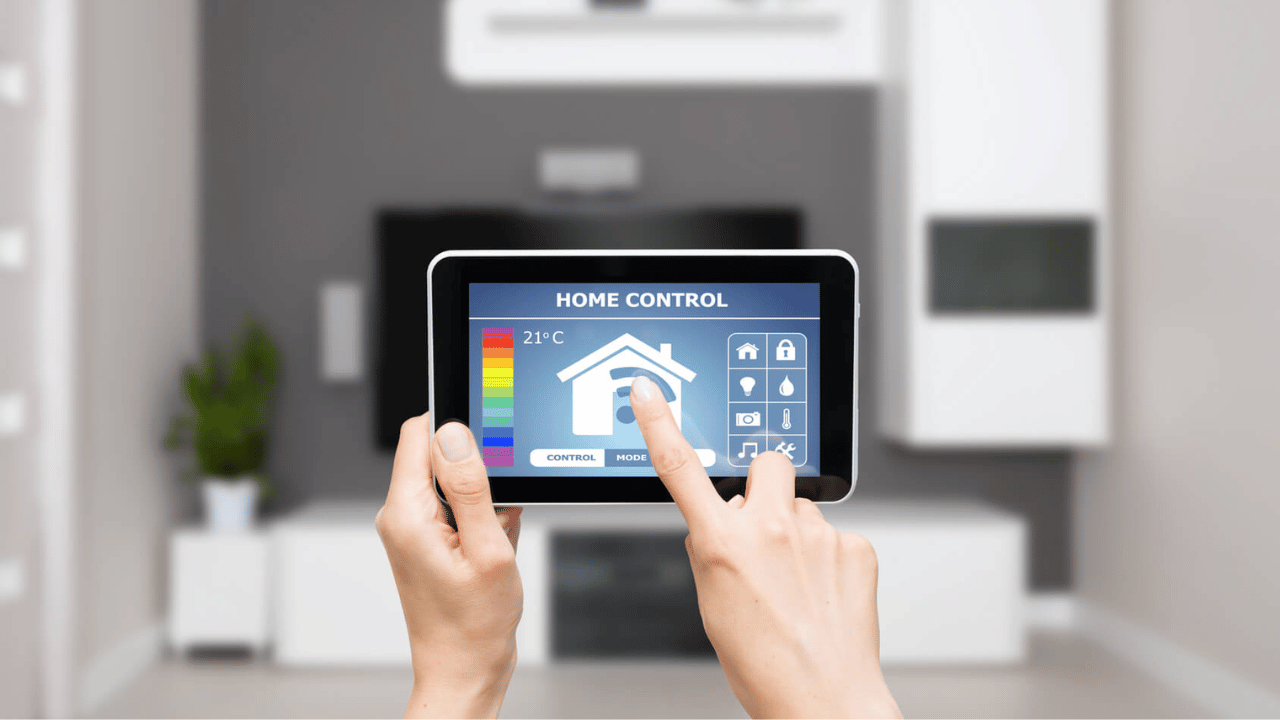
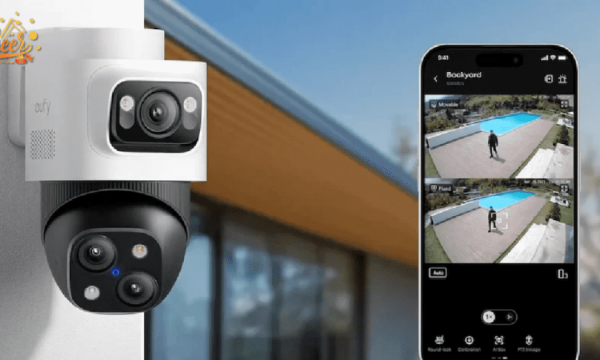
All-in-one management for total convenience.
Key Functions of Automation Controllers in Smart Homes
Understanding the core capabilities of automation controllers helps explain why they are foundational rather than optional components.
Device Integration and Communication
Automation controllers allow devices using different protocols to communicate effectively. Whether systems rely on wireless connectivity, wired infrastructure, or hybrid networks, the controller ensures smooth interaction.
Intelligent Scheduling and Automation
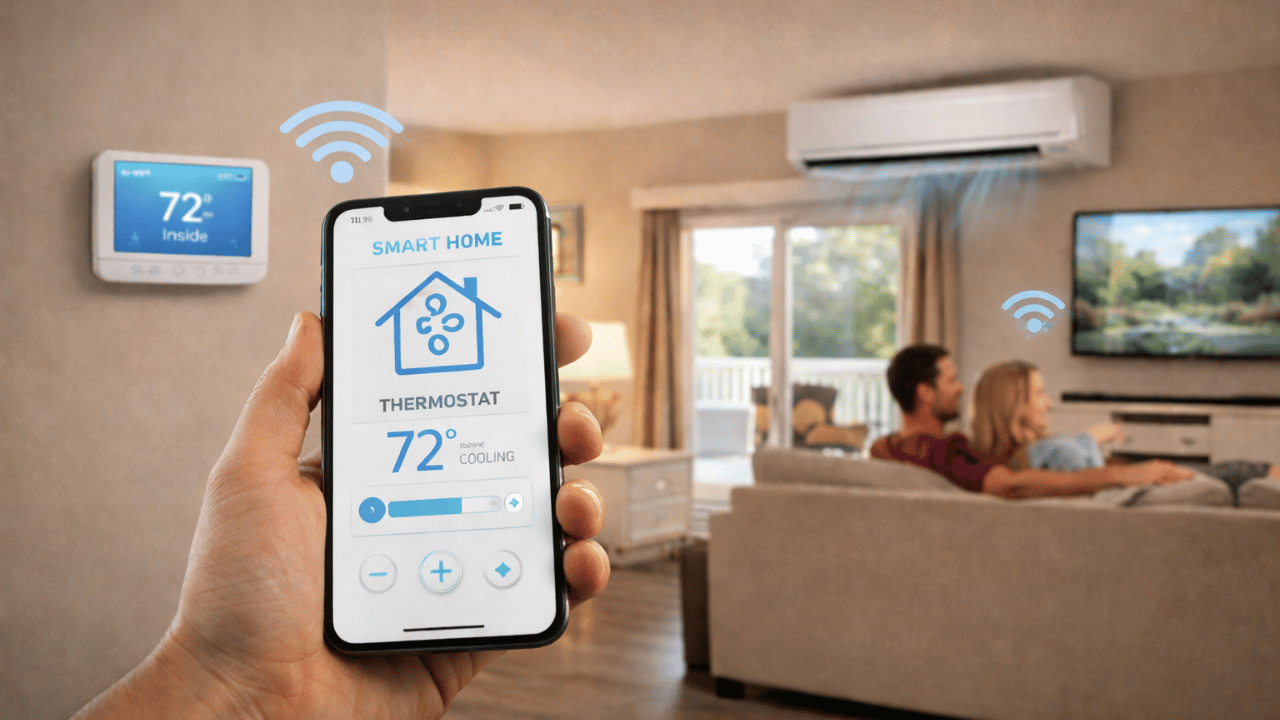
Users can create routines that align with daily habits, such as adjusting lighting at sunset or optimising temperature throughout the day. These automations are not static but can adapt to contextual inputs like occupancy or environmental changes.
Real-Time Monitoring and Feedback
Controllers continuously monitor connected systems, providing insights into performance, energy use, and system status. This visibility allows homeowners to make informed adjustments without manual inspection.
Localised Decision-Making
Many advanced control systems process automation locally, which improves response speed and maintains functionality even during internet disruptions. This approach enhances both reliability and data privacy.
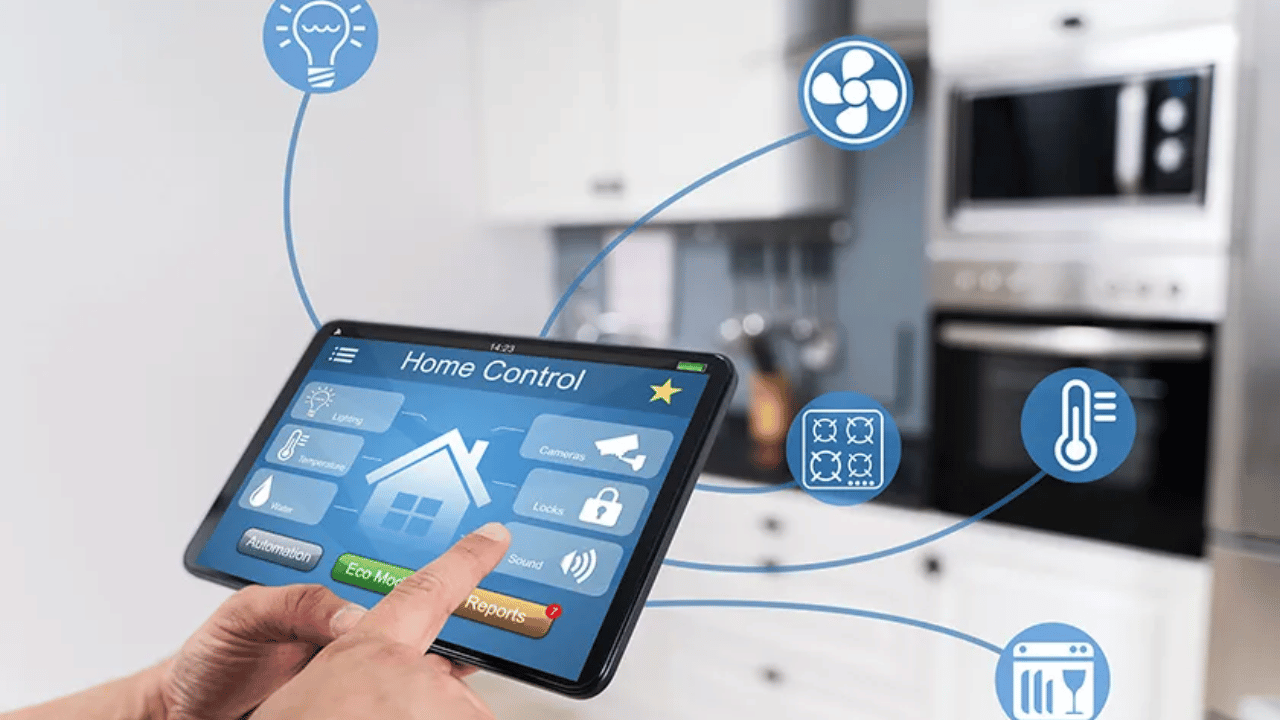
Local processing for reliability and privacy.
How Control Systems Create a Unified Smart Environment
Automation controllers rely on structured control systems to translate user intent into coordinated action. These systems combine hardware, software, and connectivity frameworks to maintain smooth operation.
Integration Across Multiple Domains
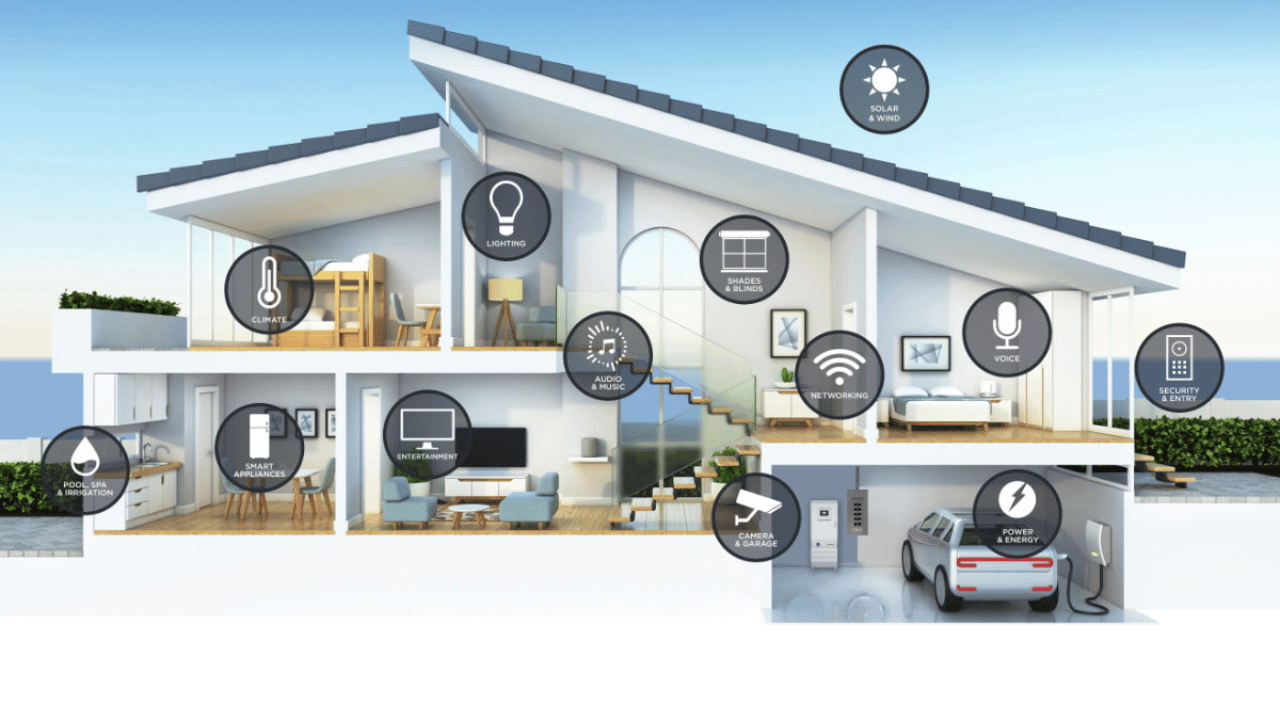
A well-designed control system connects:
- Lighting and shading
- Climate management
- Audio-visual environments
- Security and access control
- Energy monitoring tools
This integration ensures that changes in one system can influence others logically and efficiently.
Example of Coordinated Automation
Instead of adjusting settings individually, a single command can activate a “home mode” that adjusts lighting, unlocks doors, sets climate preferences, and powers entertainment systems simultaneously. This type of orchestration demonstrates the value of a unified controller-driven approach.
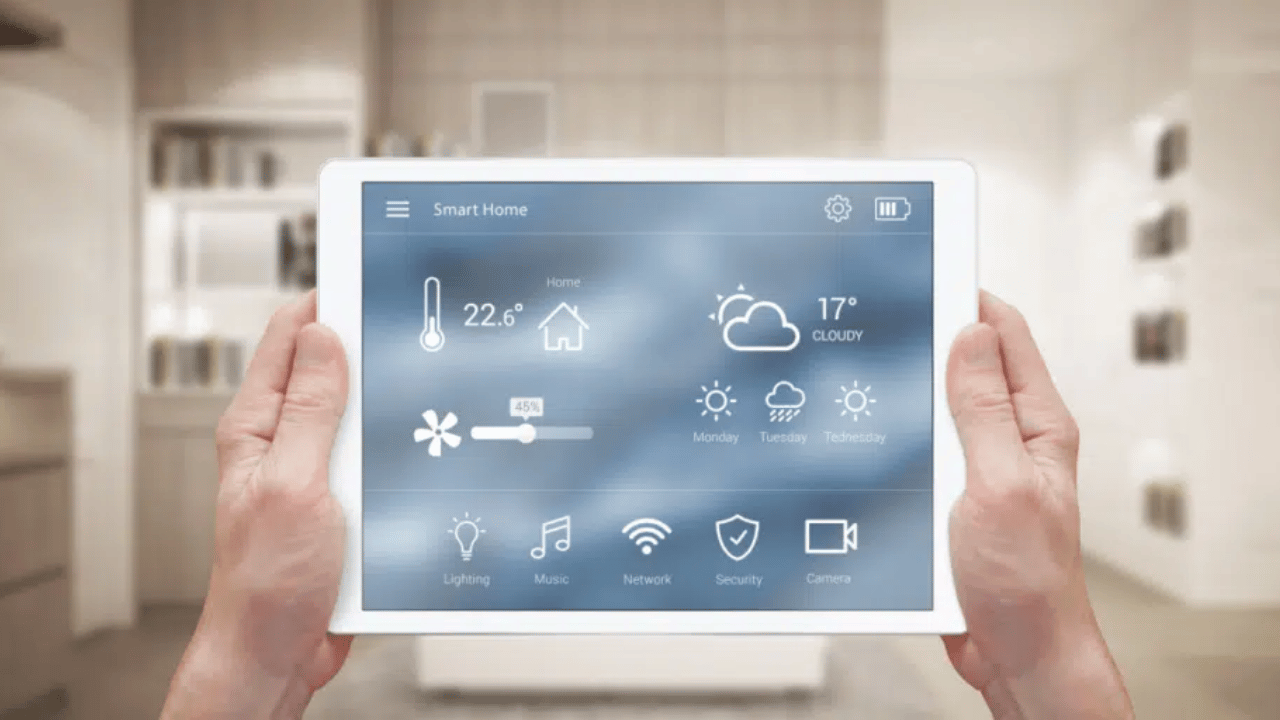
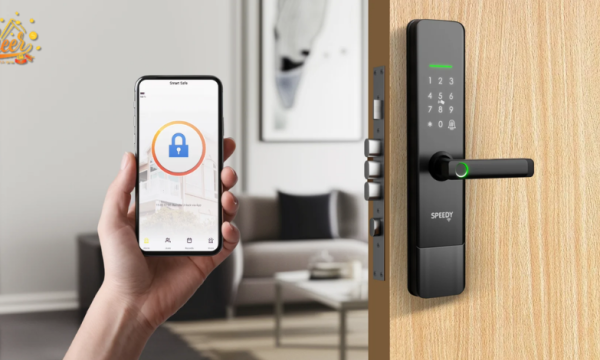
One-tap commands to sync your home.
Advantages of Using Automation Controllers in Smart Homes
Automation controllers offer measurable improvements in both functionality and lifestyle efficiency. Their benefits extend beyond convenience into performance, sustainability, and long-term adaptability.
Enhanced Efficiency
Coordinated automation reduces redundant energy usage by aligning systems with real-time needs. Lighting, heating, and appliances operate only when required, improving resource management.
Scalability for Future Technology
A central controller allows new devices to be added without redesigning the entire infrastructure. This scalability ensures the system remains compatible with emerging technologies.
Increased Reliability
Because automation logic is centralised, devices behave predictably and consistently. This reliability is particularly important for security, climate control, and essential home functions.
Simplified Management
Managing multiple devices through one interface significantly reduces complexity. Users interact with the system as a whole rather than troubleshooting individual components.
Simple control of the entire system.
Designing a Smart Home Around an Automation Controller
A successful smart home should be planned with the controller at its core rather than added later as an afterthought. This approach ensures compatibility and maximises system performance.
Start With Infrastructure Planning
Selecting the right controller and control system establishes the foundation for all future integrations. This step determines how devices will communicate and how automation logic will be structured.
Layer Technology Gradually
Adding devices in phases allows users to evaluate performance and refine automation strategies. Starting with lighting, climate, and access control often delivers immediate value.
Optimise Through Customisation
Once the system is stable, advanced automation scenarios can be introduced to personalise the environment further. These refinements transform a connected house into a responsive living space.
Personalised, responsive smart living spaces.
Common Misconceptions About Automation Controllers
Despite their growing adoption, automation controllers are often misunderstood. Clarifying these misconceptions helps users make informed decisions.
“They Are Only for Large Homes”
Automation controllers can scale to suit both compact apartments and expansive properties. Their flexibility makes them valuable in any environment where multiple devices interact.
“They Are Too Complex to Use”
Modern interfaces prioritise simplicity, allowing users to manage systems through intuitive dashboards or smart panels. Complexity exists behind the scenes, not in daily operation.
“Individual Smart Devices Are Enough”
While standalone devices provide convenience, they lack the coordination needed to create a cohesive automation experience. Controllers bridge this gap by introducing system-wide intelligence.
Unified intelligence beats standalone gadgets.
FAQ: Automation Controllers in Smart Homes
What does an automation controller do in a smart home?
It manages communication between devices, processes automation rules, and ensures systems operate together as a coordinated environment.
Are smart panels necessary for automation systems?
Smart panels are not required, but they provide convenient, always-available control and improve accessibility for shared spaces.
Can automation controllers work with different brands of devices?
Yes, most modern controllers are designed to integrate with a wide range of technologies, allowing flexible system design.
Do automation controllers improve energy efficiency?
They optimise how systems operate by aligning device activity with real usage patterns, which can significantly reduce unnecessary consumption.
Join and Unlock Smart Living Rewards
Smart living becomes even more exciting when there are rewards to discover. By joining Mystery Boxes, users can turn their interest in automation and connected technology into chances to unlock surprise prizes across a range of categories, including Collectibles and other unique rewards.
Whether you’re exploring smart devices or simply curious about modern tech, this adds another layer of excitement beyond everyday use. It’s an easy way to combine innovation with real-world value, giving you more reasons to stay engaged and see what you might unlock next.
Conclusion
Automation Controllers in Smart Homes are the foundation that transforms connected devices into intelligent environments. By integrating smart panels, coordinating control systems, and enabling responsive automation, they deliver far more than convenience—they create homes that function with purpose and efficiency.
As technology continues to evolve globally, investing in a well-designed automation framework ensures adaptability, reliability, and long-term performance. For anyone passionate about technology, understanding and implementing these controllers is a meaningful step toward smarter, more connected living.